Dry Cupping: How It Works and What It Can Do for Your Body ✨

October 27, 2026

Have you ever wondered what dry cupping is and why so many people are adding it to their wellness and recovery routines? Let's take a closer look at this popular treatment, how it works, and how it may help you feel your best!


💆‍♀️ What Is Dry Cupping?

Dry cupping is a non-invasive therapy that uses special cups placed on the skin to create suction. Unlike wet cupping, it does not involve cutting the skin or drawing blood.

The suction gently lifts the skin and the tissue beneath it, creating a pulling sensation rather than the pressure you might experience during a traditional massage.

Cups are usually left in place for around 5–15 minutes, depending on the treatment and individual needs. They may also be moved across the skin using a suitable lubricant as part of a technique known as moving cupping.


🔍 How Does Dry Cupping Work?

When a cup is placed on the skin, suction is created using a pump or, with some traditional cups, heat.

This suction draws the skin upwards into the cup and creates a localised pulling effect on the underlying tissues.

This may:

  • Encourage temporary changes in local blood flow.
  • Stretch the skin and superficial tissues.
  • Help some people experience a reduction in muscle tightness.
  • Promote relaxation and a sense of wellbeing.

Although researchers are still investigating exactly how cupping works, its effects may involve changes in pain perception and the way the nervous system responds to stimulation. More research is needed to understand these mechanisms fully.


🌿 What Can Dry Cupping Help With?

Dry cupping is often used as a complementary treatment for people experiencing muscle tension, aches and general stiffness.


1. Muscle tension and tightness

If your muscles feel tight after exercise, long hours at a desk or everyday activities, cupping may help you feel more relaxed and comfortable.


2. Pain relief

Some research suggests that cupping may provide short-term relief for certain types of musculoskeletal pain, including back and neck pain. However, the evidence is mixed, and it is not guaranteed to work for everyone.


3. Recovery after exercise

Cupping is popular among active people and athletes as part of their recovery routine. Some people report feeling less sore or more relaxed after a session, although evidence that it speeds up muscle recovery or improves athletic performance remains limited.


4. Relaxation and wellbeing

The treatment can provide a quiet opportunity to slow down, relax and focus on your body. Some people find the sensation soothing and enjoy incorporating it into their self-care routine.


5. Temporary improvement in mobility

By helping some people feel less restricted by muscle discomfort, cupping may make movement feel easier. It is best combined with appropriate movement, stretching or exercise rather than used as a standalone solution.


🟣 Why Does Dry Cupping Leave Circular Marks?

One of the first things people notice after cupping is the round marks left on the skin.

These marks occur because suction can cause small blood vessels near the skin's surface to expand or rupture, producing temporary discolouration similar to bruising.

The marks can range from light pink to deep purple and commonly fade within several days to around two weeks.

Important to know: Darker marks do not mean more toxins have been removed, and they are not a reliable measure of how effective the treatment has been.


❌ Does Dry Cupping Remove Toxins?

You may have heard that cupping draws toxins out of the body. However, there is no good scientific evidence that dry cupping detoxifies the body.

Your liver and kidneys are responsible for processing and eliminating many waste products. Cupping should instead be viewed as a complementary therapy that may help some people manage discomfort and relax.


⚠️ Is Dry Cupping Safe?

When performed by a properly trained practitioner using appropriate hygiene and technique, dry cupping is generally well tolerated. However, it can cause bruising, tenderness, skin irritation and, occasionally, burns or blistering.

Cupping may not be suitable for everyone, particularly people with bleeding disorders, those taking blood-thinning medication, or people with certain skin conditions. Always discuss relevant medical conditions with a qualified healthcare professional before treatment.

Cupping should never replace medical assessment or treatment for persistent or unexplained pain.


✨ Is Dry Cupping Right for You?

If you're looking for an additional way to support relaxation and manage muscle discomfort, dry cupping may be worth exploring as part of a wider approach to your wellbeing.

The key is understanding what it can realistically offer. It may help relieve some symptoms in the short term, but it is not a cure-all, and individual results vary.

At the end of the day, the best approach is one that supports your body's needs, is safe for you and works alongside other evidence-based treatments when needed.


Curious about dry cupping?

Ask at your appointment or send an email to find out whether it could be a suitable addition to your wellness routine.
By site-Yp40Dg • October 27, 2026
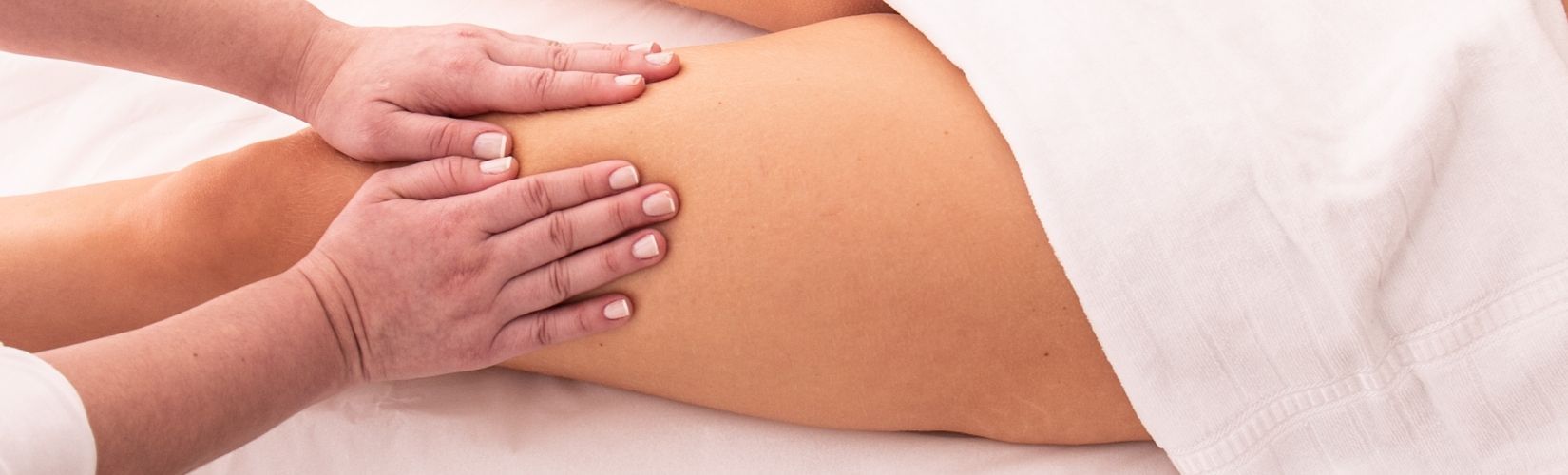
Have you ever wondered how you can support your body's natural lymphatic system, reduce feelings of swelling and feel more comfortable in your own skin? This is where Manual Lymphatic Drainage (MLD) comes in! MLD is a gentle, specialised massage technique designed to encourage the movement of lymph fluid through the lymphatic system. It is often used in clinical care to help manage swelling and can be a valuable part of a wider treatment plan. Let's explore what MLD is, how it works and what it may be able to do for you. 💧 What Is Manual Lymphatic Drainage? Manual Lymphatic Drainage is a gentle, rhythmic hands-on technique that uses specific movements and light pressure to encourage lymph fluid to move towards functioning lymphatic vessels and lymph nodes. Unlike a traditional massage, which often works deeper into the muscles, MLD focuses on the skin and the superficial lymphatic system. The lymphatic system plays an important role in maintaining fluid balance, transporting certain fats and supporting immune function. When lymph fluid does not drain effectively, it can accumulate in the tissues and cause swelling, known as oedema or, in some cases, lymphoedema . 🔍 How Does MLD Work? The lymphatic system is a network of vessels and lymph nodes that helps collect excess fluid from the tissues and return it to the bloodstream. Unlike the circulatory system, which has the heart to pump blood around the body, lymph movement depends on factors such as muscle activity, breathing and the contraction of lymphatic vessels. MLD uses gentle, carefully directed skin movements to help encourage lymph flow. A session may involve: Preparing areas of the body to support lymph movement. Using slow, rhythmic and gentle movements on the skin. Working in specific sequences based on the person's needs. Encouraging fluid movement towards functioning lymphatic drainage routes. The technique is highly specific. It is not simply a light massage, and the correct approach depends on the person's condition and treatment goals. 🌿 What Can MLD Help With? 1. Reducing swelling and fluid build-up One of the main clinical uses of MLD is helping manage swelling associated with lymphoedema and certain other conditions. By encouraging lymph fluid movement, MLD may help reduce tissue swelling in suitable patients, particularly when combined with compression therapy, exercise and skin care where appropriate. 2. Supporting lymphoedema management Lymphoedema can occur when the lymphatic system is damaged or does not function properly. It may develop after cancer treatment, surgery or because of an underlying lymphatic condition. 3. Helping with post-operative swelling MLD is sometimes used following certain surgical procedures to help manage swelling. However, it is important to obtain clearance from your surgeon and follow their post-operative advice before starting treatment. The timing and suitability of MLD depend on the procedure, healing progress and individual circumstances. 4. Helping you feel more comfortable Swelling can leave areas of the body feeling heavy, tight or uncomfortable. For people who are suitable for treatment, reducing excess fluid may help improve comfort and make movement easier. 5. Supporting recovery as part of a treatment plan In selected circumstances, MLD can be used alongside other therapies to help manage fluid-related symptoms. Its benefits depend on the underlying cause, and it is not necessary or appropriate for everyone. ✨ Can MLD Help With Bloating and Puffiness? MLD is sometimes promoted for facial puffiness, a temporarily swollen appearance or a feeling of fluid retention. Gentle lymphatic techniques may help reduce some superficial facial swelling in suitable individuals. However, evidence for cosmetic benefits is limited, and results are generally temporary. It is also important to understand that bloating in the abdomen is not the same as lymphatic swelling. MLD is not a proven treatment for digestive bloating, weight loss or the removal of toxins. Your body already has natural systems for processing waste products, including the liver and kidneys. MLD supports lymph movement; it does not detoxify the body. 💆‍♀️ What Does an MLD Session Feel Like? MLD is very gentle and does not feel like a deep-tissue massage. We will use slow, rhythmic movements and light pressure on the skin. Depending on the reason for treatment, the session may focus on a particular area or involve several regions of the body. You may feel relaxed during the session, and if you are being treated for swelling, changes in comfort or swelling may occur over time. Results vary, and some people require a course of treatment alongside other management strategies rather than a single session. ⚠️ Is MLD Safe for Everyone? Although MLD is gentle, it is not suitable for everyone. We will assess your medical history and the cause of any swelling before treatment. MLD may be inappropriate or require medical clearance in situations such as: Suspected or untreated deep vein thrombosis. Acute infection or cellulitis. Certain cases of uncontrolled heart failure. Significant unexplained or sudden swelling. Some complex medical conditions requiring specialist guidance. If you develop sudden swelling, redness, warmth or pain in one limb, seek urgent medical advice rather than booking a massage. Chest pain or sudden breathlessness requires emergency medical attention. 🌸 Is MLD Right for You? MLD can be a useful treatment for selected people, particularly those managing lymphoedema or other forms of swelling. It may also be considered in certain post-operative care plans when approved by the treating medical team. The most important thing is understanding your body's needs and choosing a practitioner who is appropriately trained in lymphatic drainage. Remember: MLD is not about forcing fluid out of the body. It is about using a gentle, targeted technique to support lymphatic movement where appropriate. Your wellbeing deserves an approach that is informed, safe and tailored to you. 💚 
June 11, 2025
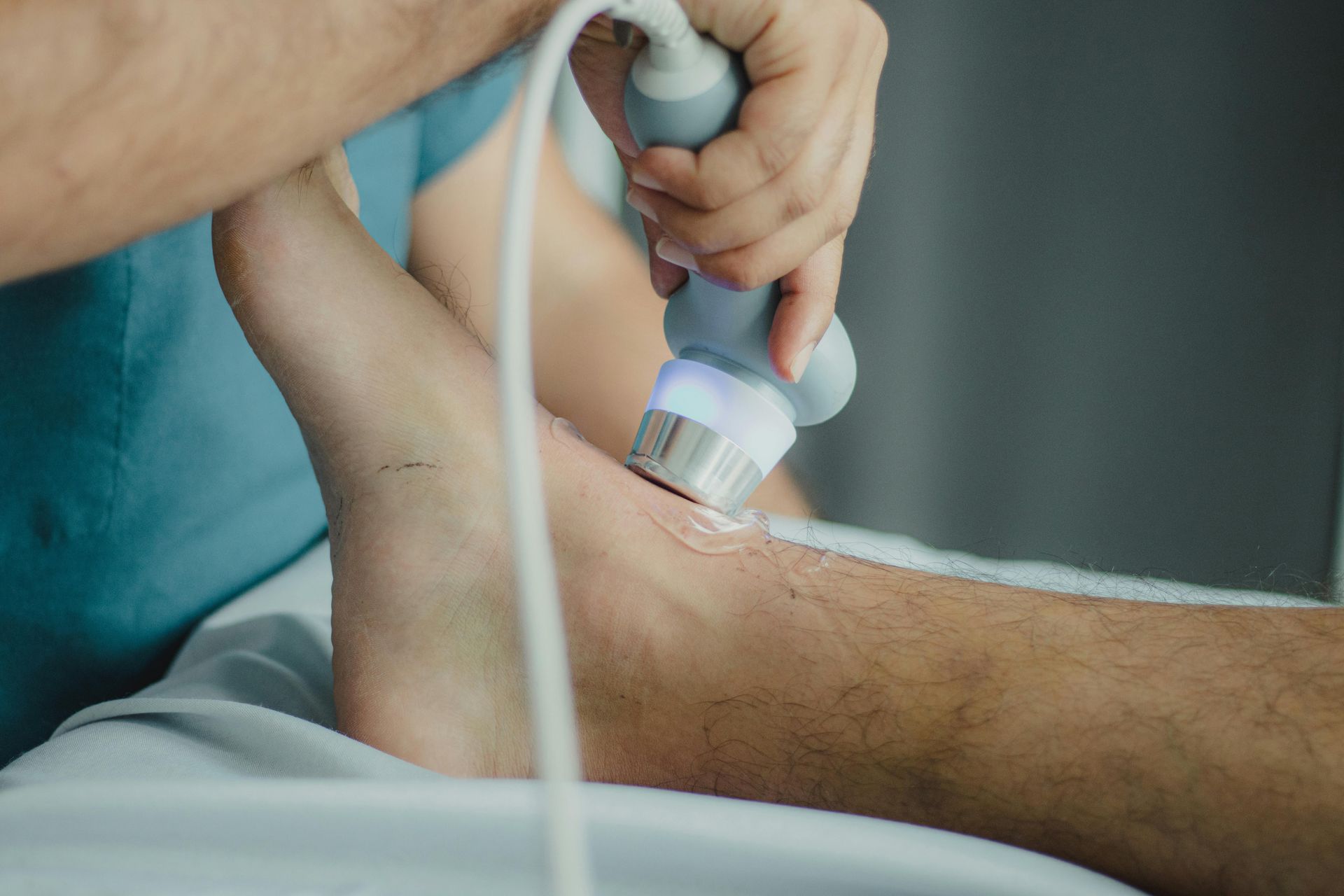
🔊 Ultrasound Therapy in Sports Massage: What It Is, What It Does & What It Treats  As a sports massage therapist, I often use a range of therapeutic tools to support healing, improve performance, and relieve pain. One of the most effective tools in my kit is ultrasound therapy —a non-invasive, drug-free treatment that has helped countless clients recover faster and feel better. But what exactly is ultrasound therapy? Let’s break it down. 💡 What Is Ultrasound Therapy? Ultrasound therapy involves the use of high-frequency sound waves that are transmitted into the body using a small handheld device (called a transducer) and a special conductive gel. Unlike diagnostic ultrasound (used for imaging), this form of ultrasound is therapeutic , meaning its goal is to promote healing and reduce pain. The sound waves penetrate deep into soft tissues, producing gentle vibrations and, in some cases, heat—both of which help stimulate the body’s natural healing processes. ⚙️ What Does It Do? Ultrasound therapy offers several physiological benefits: Increases Blood Flow : By warming the tissues, ultrasound can improve circulation to the treated area, speeding up healing and reducing inflammation. Reduces Pain and Swelling : It helps decrease inflammation, which can reduce pressure on nerves and surrounding tissues. Breaks Down Scar Tissue : The vibrations help break up adhesions and scar tissue that can limit mobility and cause discomfort. Enhances Healing : Ultrasound therapy can stimulate cellular activity and tissue regeneration, especially in muscles, tendons, and ligaments. 🏥 What Can Ultrasound Therapy Treat? Ultrasound is commonly used in sports therapy to treat a range of conditions, including: Muscle Strains and Tears Ligament Injuries (e.g., sprained ankles) Tendinitis and Tendinopathy Bursitis Frozen Shoulder Plantar Fasciitis Scar Tissue and Adhesions Joint Inflammation and Arthritis It’s particularly useful when integrated with sports massage and rehabilitation exercises, helping to prepare tissues for deeper manual work or to soothe areas post-treatment. ⚠️ Is It Right for You? Ultrasound therapy is generally safe and painless, but it may not be suitable for everyone—particularly if you have certain medical conditions or implants (like pacemakers or joint replacements). A full assessment is always performed to ensure it's appropriate for your specific needs. ✅ The Takeaway Ultrasound therapy is a powerful complement to sports massage that can accelerate recovery , relieve pain , and improve mobility —helping you get back to peak performance faster. Whether you’re an athlete recovering from an injury or someone dealing with chronic musculoskeletal pain, ultrasound therapy may be the boost your body needs to heal more effectively. Want to learn more or see if ultrasound therapy is right for you? Book a consultation today. Let’s get you back on track, pain-free and performing at your best.
June 11, 2025
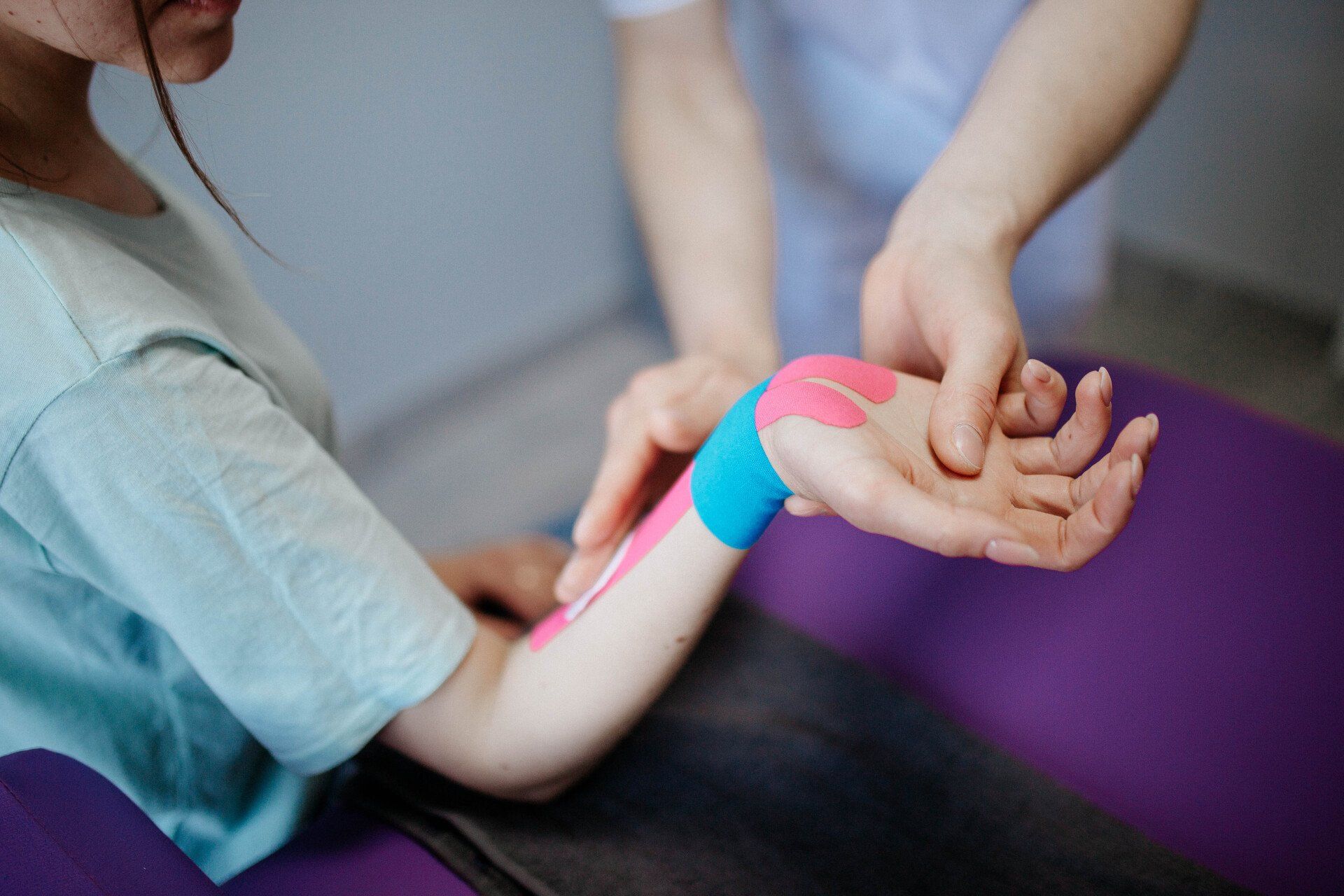
Kinesio-Tape, K-Taping - What is it ?
By site-Yp40Dg • June 11, 2025
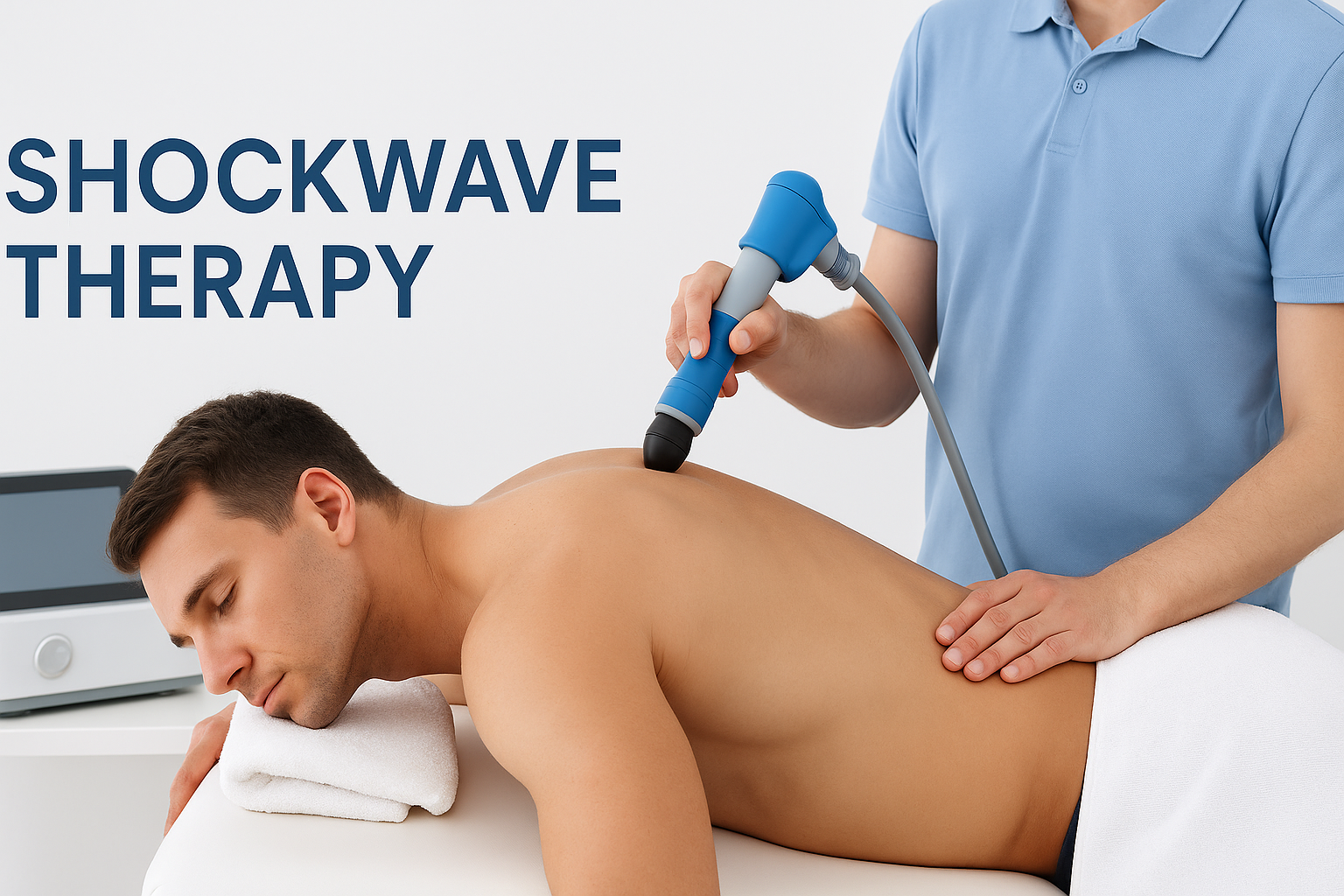
Powerful Pain Relief & Recovery for Stubborn Injuries At Melanie Hempsall Sports Massage Therapy, we’re always looking for the most effective ways to help you recover faster, move better, and stay pain-free. That’s why we’re excited to offer Shockwave Therapy —a game-changer for chronic pain and stubborn soft tissue injuries. Whether you’ve been dealing with a long-standing tendon issue or a recurring sports injury, shockwave therapy can help you get back on track when rest, rehab, and massage alone aren’t enough. 💥What Is Shockwave Therapy? Shockwave therapy (also known as extracorporeal shockwave therapy or ESWT ) uses acoustic sound waves to stimulate the body’s natural healing process. It’s not electric, and it doesn’t deliver shocks in the way a TENS machine does. Instead, it sends high-energy sound pulses deep into the tissue, which helps: Increase blood flow Break down scar tissue Stimulate collagen production Reduce pain Accelerate healing It’s especially helpful when healing has stalled and the body needs a "nudge" to restart the repair process. 🦵What Conditions Can It Help? Shockwave therapy is particularly effective for chronic soft tissue conditions , especially around tendons and joints. Common conditions include: ✅Lower Body Plantar fasciitis (heel pain) Achilles tendinopathy Patellar tendinopathy (jumper’s knee) Hamstring tendinopathy Shin splints ✅Upper Body Shoulder tendinopathy (especially supraspinatus or calcific tendonitis) Tennis elbow / golfer’s elbow Rotator cuff issues Biceps tendon irritation ✅Other Conditions Scar tissue / fascial restrictions Hip bursitis Chronic trigger points 🧪How Does It Work? Here’s what happens when you have a shockwave treatment: A small handheld device delivers targeted sound waves to the injured area. These pulses stimulate blood flow , improve cell regeneration, and break down calcified or fibrotic tissue . The body responds by kickstarting a healing response —like a natural reset button. Most people feel the difference within 3–6 sessions , and in many cases, pain levels drop significantly in that time. ❓Shockwave Therapy Q&A Is it painful? You might feel some discomfort during treatment, especially over areas of chronic pain or tightness. Most people describe it as a deep, pulsing ache—but it’s brief and tolerable. Intensity can be adjusted to suit your comfort. How many sessions will I need? It depends on the condition, but most clients benefit from 3–6 weekly sessions . Some chronic conditions may need slightly more. Can I have massage as well? Absolutely. In many cases, we combine shockwave therapy with sports or deep tissue massage to support recovery, reduce tension, and improve movement. Is there any downtime? Very little. You may feel some tenderness for 24–48 hours post-treatment, but you can usually continue with your normal routine. Avoid heavy exercise on the treated area for a day or two. Is it safe? Yes—shockwave therapy is clinically proven, non-invasive, and used worldwide by physiotherapists, sports therapists, and medical professionals. It has minimal side effects and no medication is needed. 👋Ready to Try Shockwave Therapy? If you’ve been struggling with an injury that just won’t shift, shockwave therapy could be the breakthrough you need. We offer: Free consultation to assess suitability Tailored treatment plans combining hands-on therapy and shockwave Ongoing support to keep you pain-free and performing at your best
By Melanie Hempsall • November 1, 2022
What does it do?
By Melanie Hempsall • January 20, 2022
Sports massage and injuries.